Understanding Hair Extensions: Types and Benefits
Hair extensions have become a staple in the beauty industry, allowing individuals to transform their hairstyles and achieve their desired looks effortlessly. With an array of options available, including clip-ins, tape-ins, and wefts, finding the right hair extensions can enhance volume and length while providing versatility. For those exploring options, hair extensions offer comprehensive insights into achieving stunning transformations.
What Are Hair Extensions?
Hair extensions are strands of synthetic or human hair that can be attached to your natural hair to add length, volume, or thickness. They come in various forms and methods of application, allowing users to choose based on their preferences, lifestyle, and hair type. Extensions can be temporary or permanent, depending on the application technique selected.
Types of Hair Extensions Available
- Clip-in Extensions: These are temporary extensions that can be easily attached and removed. Ideal for those who want an instant makeover without commitment.
- Tape-in Extensions: These extensions are bonded with a special tape and can last for several weeks. They lie flat on the head, giving a natural appearance.
- Micro-link Extensions: Also known as micro-bead extensions, these use small rings to attach the extensions to your natural hair without glue or heat.
- Weft Extensions: Wefts are typically sewn into braids or attached with adhesive. This method can provide a more permanent solution for individuals seeking longevity.
- Fusion Extensions: These involve bonding individual strands of hair with keratin glue, offering a seamless and natural look. They require professional installation.
Benefits of Using Hair Extensions for Styling
The primary advantage of hair extensions lies in their ability to offer versatility. With extensions, you can experiment with various hairstyles from long, glamorous locks to voluminous waves, and even intricate braids. Additionally, they can help protect your natural hair by allowing you to switch up your hairstyle regularly without causing damage. Extensions can also be beneficial for individuals experiencing hair thinning or loss, providing them with confidence and a more youthful appearance.
Common Risks Associated with Hair Extensions
While hair extensions offer numerous benefits, they also come with potential risks that users should be aware of. Understanding these risks can help mitigate them and ensure a positive experience.
Understanding Potential Hair Damage
Improper application or maintenance of hair extensions can lead to significant damage to your natural hair. Heavy extensions or inappropriate attachment methods can cause stress on hair strands, leading to breakage or loss. To minimize damage, it is crucial to choose lightweight extensions and ensure they are installed correctly, preferably by a professional.
Allergic Reactions and Sensitivities
Some individuals might experience allergic reactions to the materials used in synthetic extensions or adhesives. It’s advisable to conduct a patch test before installation, especially for those with sensitive skin. Opting for 100% Remy human hair extensions can also reduce the risk of irritation and provide a more natural look.
Maintenance Challenges and Solutions
Maintaining hair extensions can be more demanding than natural hair. Users should invest in specific products designed for extensions to prolong their lifespan. Regular maintenance appointments with a stylist will ensure the extensions remain in optimal condition and help in monitoring any signs of damage or loosening.
Choosing the Right Hair Extensions for Your Needs
Finding the perfect hair extensions can be daunting, given the myriad of options available. However, focusing on a few essential factors can simplify the decision-making process.
Factors to Consider When Selecting Extensions
- Hair Type: Assess whether your natural hair is straight, wavy, or curly, as this will affect the extension type you choose.
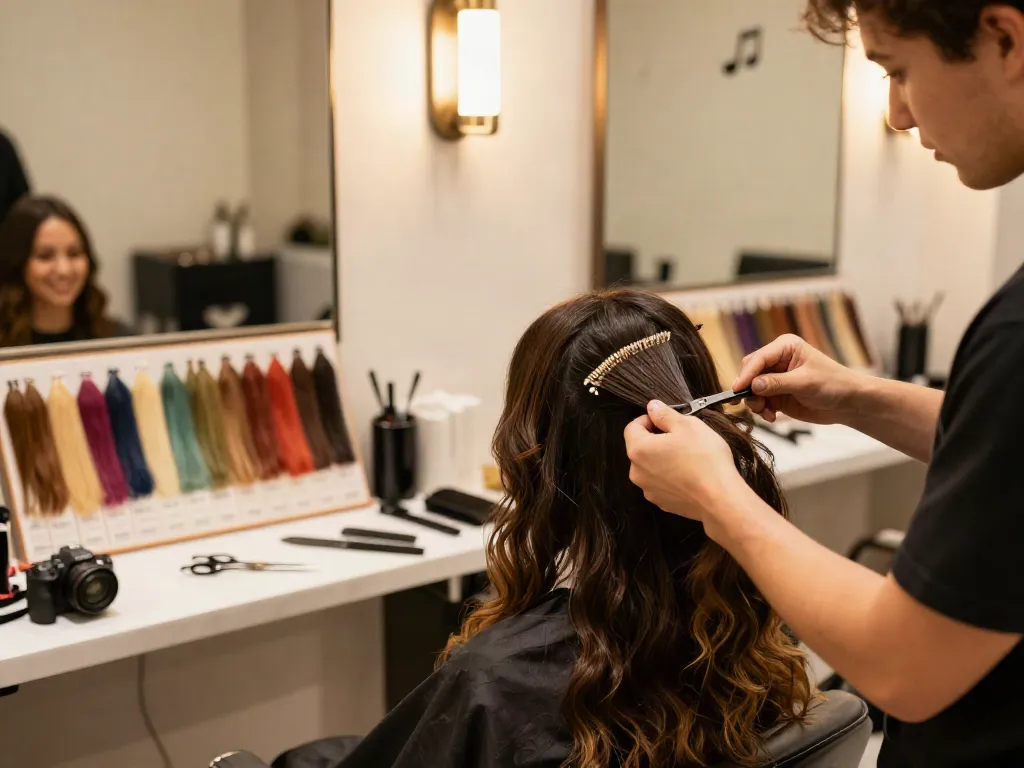
- Color Matching: Selecting extensions that match your hair color is crucial for achieving a seamless look. Many brands offer color-matching services.
- Application Method: Consider your lifestyle and hair care routine when choosing an application method. Temporary options might suit those who change styles frequently.
How to Choose Quality Over Quantity
Investing in high-quality hair extensions is essential for durability and aesthetics. Look for reputable brands that provide 100% human hair, as these options tend to blend better with natural hair and can be styled with heat. Avoid cheap synthetic alternatives that may tangle easily and look less natural.
Consulting Professionals: When and Why?
Consulting with a hair extension specialist can provide personalized recommendations based on your hair type and desired look. Professionals can also assist with installation and maintenance, helping you avoid common mistakes that can lead to damage.
Proper Application and Removal Techniques
Understanding how to apply and remove hair extensions correctly is vital to maintaining healthy hair and achieving the best results.
Best Practices for Application
When applying extensions, it’s essential to ensure that your natural hair is clean and free of products. This will promote better adhesion and a seamless look. When using adhesive methods, allow the glue to dry adequately, and avoid applying too much tension on your natural hair to prevent breakage.
Signs of Poor Installation
Indicators of poorly installed hair extensions include visible wefts, discomfort on the scalp, and excessive shedding. If you notice these signs, seeking professional help to rectify the installation may be necessary.
Safe Removal Methods to Avoid Damage
When removing hair extensions, it’s important to follow the appropriate steps to minimize damage. For tape-ins, a specialized remover should be used to break down the adhesive gently. For sew-in extensions, carefully unbraid or cut the thread holding them in place without tugging on your natural hair.
Future Trends in Hair Extensions for 2026 and Beyond
The hair extension industry is continually evolving, with new innovations emerging each year. Staying aware of these trends can help you make informed choices.
Innovations in Hair Extension Materials
Expect to see advancements in hair extension materials that enhance durability and reduce the risk of damage. Innovations may include extensions made from ethically sourced virgin hair that can withstand heat styling and chemical processing.
Customizable Options for Unique Styles
As personalization becomes more popular, brands are likely to offer customizable extensions tailored to individual preferences. This could include options for color blending, length, and texture preferences.
Sustainability in Hair Extensions: What to Expect
With increased awareness of sustainability, the hair extension industry is expected to move towards more eco-friendly practices. Brands may implement sustainable sourcing methods and offer biodegradable packaging to lessen their environmental impact.
How long do hair extensions usually last?
Generally, the lifespan of hair extensions depends on the type and maintenance. Clip-in extensions can last up to a year with proper care, while tape-in and sew-in extensions can last several months with regular maintenance appointments.
Are extensions damaging to hair?
Extensions can cause damage if not installed or maintained correctly. Choosing the right type and method for your hair type, along with professional assistance, can significantly reduce potential damage.
What type of hair extension is the best?
The best type of hair extension varies by individual needs. For a temporary style change, clip-ins are ideal, while tape-ins or sew-ins may suit those looking for longer-lasting options.
What is the average cost to have extensions put in your hair?
The cost of hair extensions can range widely based on the type, quality, and method of application. On average, professional installation can cost anywhere from $200 to $1,000, depending on your choices.
How to care for hair extensions properly?
Proper care involves using sulfate-free shampoos, avoiding high heat styling, and regularly detangling to prevent matting. Additionally, storing extensions properly when not in use can help maintain their quality.