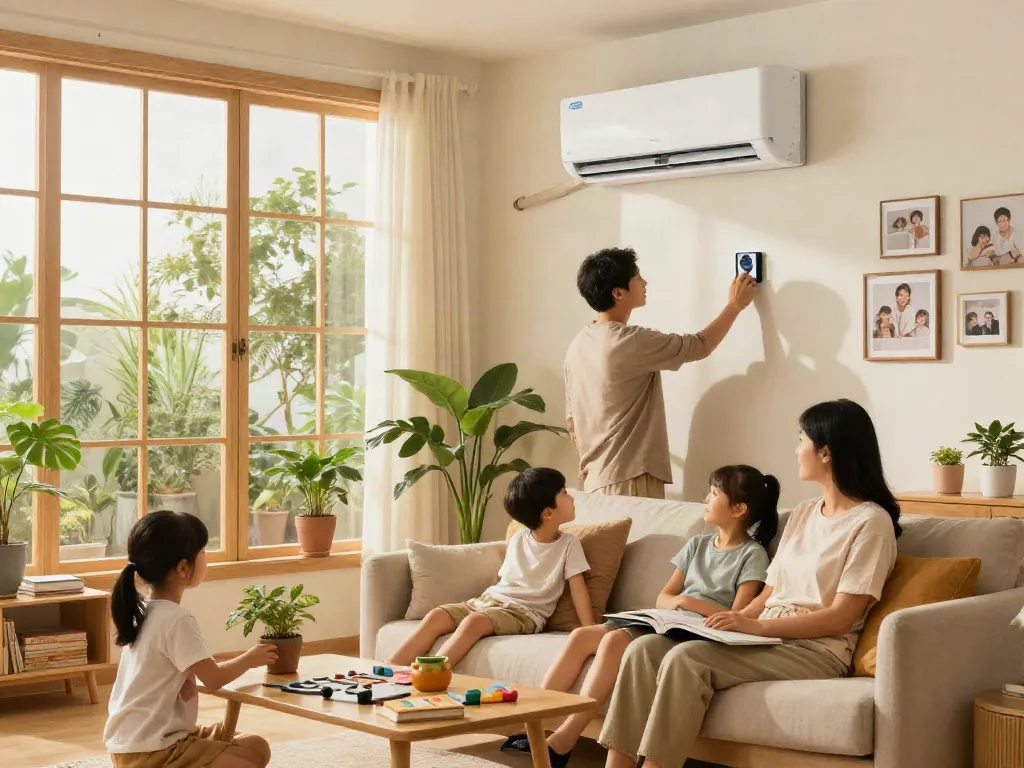
Understanding Mini Split Systems
In an era where energy efficiency and personalized comfort are increasingly critical, mini split air conditioning systems have emerged as a popular choice for homeowners and businesses alike. These compact systems provide effective heating and cooling solutions without the need for extensive ductwork. This article will delve into the mechanics, benefits, and maintenance of mini split systems, while offering practical insights for selecting the right system for your space.
What is a Mini Split Air Conditioner?
A mini split air conditioner is a type of ductless HVAC system designed to provide efficient heating and cooling in individual rooms or zones. It consists of two main components: an outdoor compressor unit and one or more indoor air handling units. Unlike traditional central air systems, mini splits do not require ductwork, making them ideal for homes without existing ducts or for specific areas that need additional climate control.
Key Components of a Mini Split System
Understanding the components of a mini split system is crucial for both installation and maintenance:
- Outdoor Unit: This unit houses the compressor and condenser, responsible for dissipating heat absorbed from indoors.
- Indoor Unit: The indoor unit distributes the conditioned air throughout the space. Depending on the model, it may include features like air filtration and variable-speed fans.
- Refrigerant Lines: These lines connect the indoor and outdoor units, allowing refrigerant to flow and facilitate the cooling or heating process.
- Remote Control: Most mini splits come with a remote control for easy temperature adjustments and settings management.
Benefits of Using Mini Splits in Your Home
Mini split systems offer several advantages over traditional HVAC systems:
- Energy Efficiency: Mini splits often boast higher SEER (Seasonal Energy Efficiency Ratio) ratings, translating to lower energy bills.
- Zone Control: With the ability to heat or cool specific areas, mini splits allow for personalized comfort and can reduce energy consumption.
- Quiet Operation: These systems generally operate much more quietly than conventional air conditioning systems, enhancing indoor comfort.
- Flexible Installation: The absence of ductwork allows for more versatile installation options, which is particularly beneficial in renovations.
Choosing the Right Mini Split for Your Space
When selecting a mini split system, various factors come into play to ensure maximum efficiency and effectiveness. Below are some key considerations that can help you make an informed decision.
Factors to Consider When Selecting a Mini Split
Choosing the right mini split system involves evaluating your specific needs and circumstances:
- Room Size: The size of the room or area being cooled or heated significantly affects the BTU (British Thermal Unit) requirement of the mini split system.
- Insulation Quality: Homes with better insulation retain temperature more effectively, which can alter the size and capacity requirements.
- Climate: Your local climate will impact the efficiency and effectiveness of the mini split system; ensuring it can handle extreme temperatures is essential.
- Design and Aesthetics: Consider the visual appeal of the indoor units, which come in various styles, including wall-mounted, ceiling-mounted, and floor-mounted options.
Understanding BTU Ratings and Efficiency
BTU ratings indicate the amount of heat an air conditioning system can remove from a room in one hour. Selecting a system with the appropriate BTU rating is crucial:
- Under-sizing: An under-sized unit will struggle to cool or heat the space adequately, leading to increased energy consumption and wear on the system.
- Over-sizing: Conversely, an over-sized unit cools the room too quickly, resulting in insufficient dehumidification and discomfort.
To determine the appropriate BTU rating, consider using an online BTU calculator or consult with an HVAC professional for precise calculations based on your specific room characteristics.
Exploring Multi-Zone Mini Split Options
For larger homes or for spaces that require different temperature settings, multi-zone mini split systems can be an excellent investment. These systems consist of a single outdoor unit connected to multiple indoor units, allowing for tailored climate control in each zone.
- Energy Savings: By conditioning only the areas in use, homeowners can significantly reduce energy consumption.
- Individual Control: Each indoor unit can be adjusted independently, accommodating varying preferences among occupants.
Installation Process for Mini Split Systems
The installation of a mini split system is generally less invasive than traditional HVAC systems due to the absence of ductwork. However, proper installation is crucial for optimal performance.
Preparing Your Home for Mini Split Installation
Before installation, consider the following steps to prepare your home:
- Location Assessment: Identify the best locations for indoor and outdoor units based on factors like sunlight exposure and accessibility.
- Electrical Considerations: Ensure your electrical system can handle the additional load from the mini split system.
- Clear the Area: Remove any obstructions around the installation area to allow for easy access.
Step-by-Step Installation Guide
A typical installation process involves the following steps:
- Mount the indoor unit and secure it to the wall or ceiling.
- Install the outdoor unit in a suitable location, ensuring adequate airflow.
- Connect the refrigerant lines and electrical wiring between the indoor and outdoor units.
- Test the system for proper operation, including cooling and heating functions.
Common Installation Mistakes to Avoid
While installing a mini split system can be a DIY project, many homeowners opt for professional installation to avoid common pitfalls, such as:
- Improper Sizing: Failing to accurately size the units can lead to inefficiencies.
- Poor Location: Placing the outdoor unit in a location that restricts airflow can hinder performance.
- Inadequate Insulation: Ensure all connections are well insulated to prevent refrigerant leaks.
Maintaining Your Mini Split System
Regular maintenance is essential for keeping your mini split system running efficiently and extending its lifespan. Here are some routine maintenance tips:
Routine Maintenance Tips for Optimal Performance
- Clean the Filters: Regularly check and clean the air filters to improve air quality and system efficiency.
- Inspect the Outdoor Unit: Remove debris and checks for obstructions around the condenser unit.
- Schedule Professional Inspections: Engage professionals for annual maintenance checks to identify potential issues early.
Signs Your Mini Split Needs Repair
Watch for warning signs that may indicate you need to repair your mini split system:
- Inconsistent temperatures across different rooms.
- Increased energy bills without changes in usage.
- Strange noises or odors emanating from the system.
Energy Efficiency and Cost Saving Strategies
To maximize the energy efficiency of your mini split system, consider the following strategies:
- Set the Temperature Wisely: Keeping the thermostat at moderate temperatures can significantly reduce energy consumption.
- Utilize Programmable Features: Take advantage of programmable settings to optimize heating and cooling schedules.
- Insulation Improvements: Improving home insulation can lead to lower energy costs.
Future Trends in Mini Split Technology
The mini split industry is rapidly evolving, with new technologies being introduced to enhance performance and customer experience. Here are some promising trends for 2026:
Emerging Features in Mini Split Systems for 2026
As technology advances, mini split systems are integrating innovative features, including:
- Increased Smart Home Compatibility: Future mini splits may come with enhanced smart home integration for remote control through mobile devices.
- Environmentally Friendly Refrigerants: Look for systems utilizing eco-friendly refrigerants that reduce environmental impact.
- Advanced Filtration Systems: Improved air filtration options to enhance indoor air quality will likely become a standard feature.
Smart Home Integration with Mini Splits
Smart technology is transforming HVAC systems, allowing homeowners to control mini splits through their smartphones, voice commands, and automation systems. This creates greater convenience while promoting energy efficiency.
Comparing Mini Splits with Traditional HVAC Systems
When considering a mini split versus traditional HVAC systems, several factors come into play:
- Installation Complexity: Mini splits are easier and less invasive to install than ducted systems.
- Operating Costs: Mini splits typically offer lower operating costs due to their efficiency and zoned control capabilities.
- Space Requirements: Mini splits require less space than traditional HVAC ductwork, making them ideal for smaller homes and apartments.
What are the disadvantages of a mini split?
While mini splits have numerous advantages, it’s essential to consider potential drawbacks:
- Initial Cost: The upfront cost of purchasing and installing a mini split system can be higher than that of traditional HVAC systems.
- Aesthetic Concerns: Some homeowners may find the appearance of indoor units unappealing, though this has improved with modern designs.
- Maintenance Needs: Regular cleaning and maintenance are required to keep the system running efficiently.
Are mini splits really worth it?
For many homeowners, the benefits of mini splits such as energy efficiency, individualized climate control, and ease of installation outweigh the disadvantages. Conducting a cost-benefit analysis specific to your situation can provide clarity.
What does a mini split usually cost?
The cost of a mini split system can vary widely based on size, brand, and installation complexity. On average, homeowners may expect to pay between $2,000 to $5,000 for a system and installation, with additional costs for multi-zone configurations.
Do mini splits work in 100-degree weather?
Yes, mini split systems are designed to handle high temperatures and can effectively cool spaces even during extreme heat. It's important to select a unit rated for the specific climate conditions of your area for optimal performance.